
Home Nurses and Loss of Autonomy
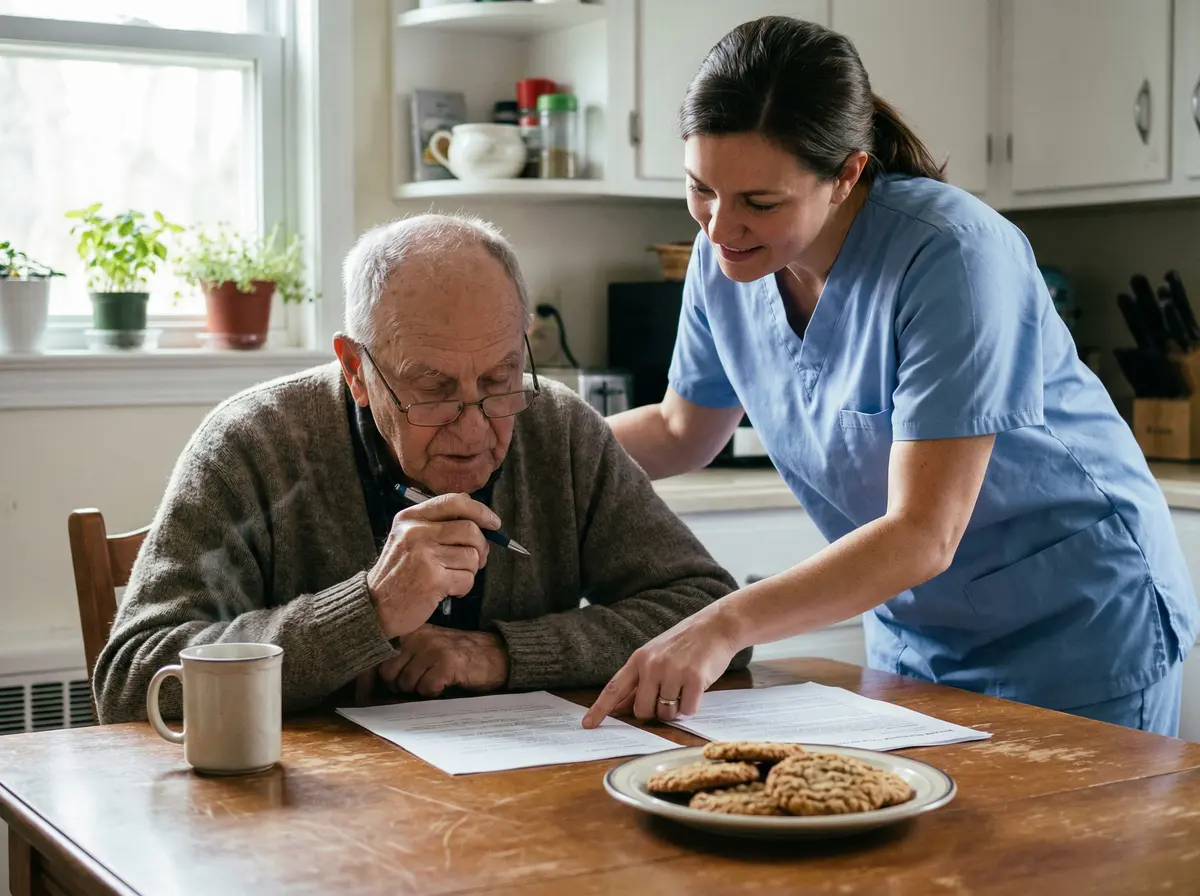
In Belgium we call them home nurses, or home nursing aides. In France, they are called home care assistants. They are healthcare professionals whose role is to provide assistance and home care to people losing autonomy, whether elderly, sick, or disabled. They are also a presence, supervision, security, day and night.
This home assistance is a practical and comfortable solution for all those who have difficulty performing all daily activities, but also allows them to benefit from quality medical monitoring while remaining in their family environment.
What Are the Advantages of Home Nurses, What Are Their Skills and Training?
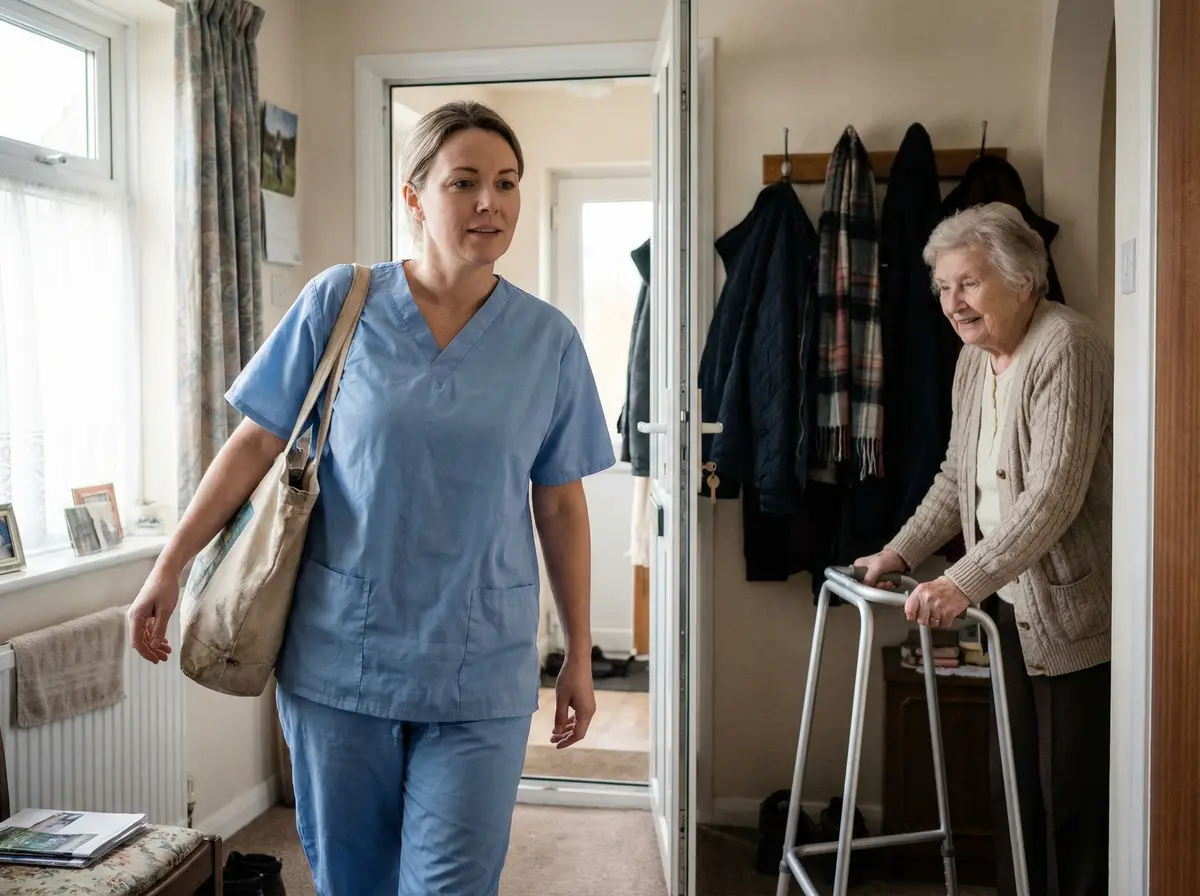
Obviously, the first advantage of a home nurse is the possibility for beneficiaries to receive care, supervision, and quality assistance while staying at home.
Patients are reassured and more comfortable being at home rather than in the hospital or nursing home. This strongly contributes to their recovery.
It is common for the mental and physical state of an elderly person to deteriorate more quickly when placed in a retirement home. The change being too abrupt.
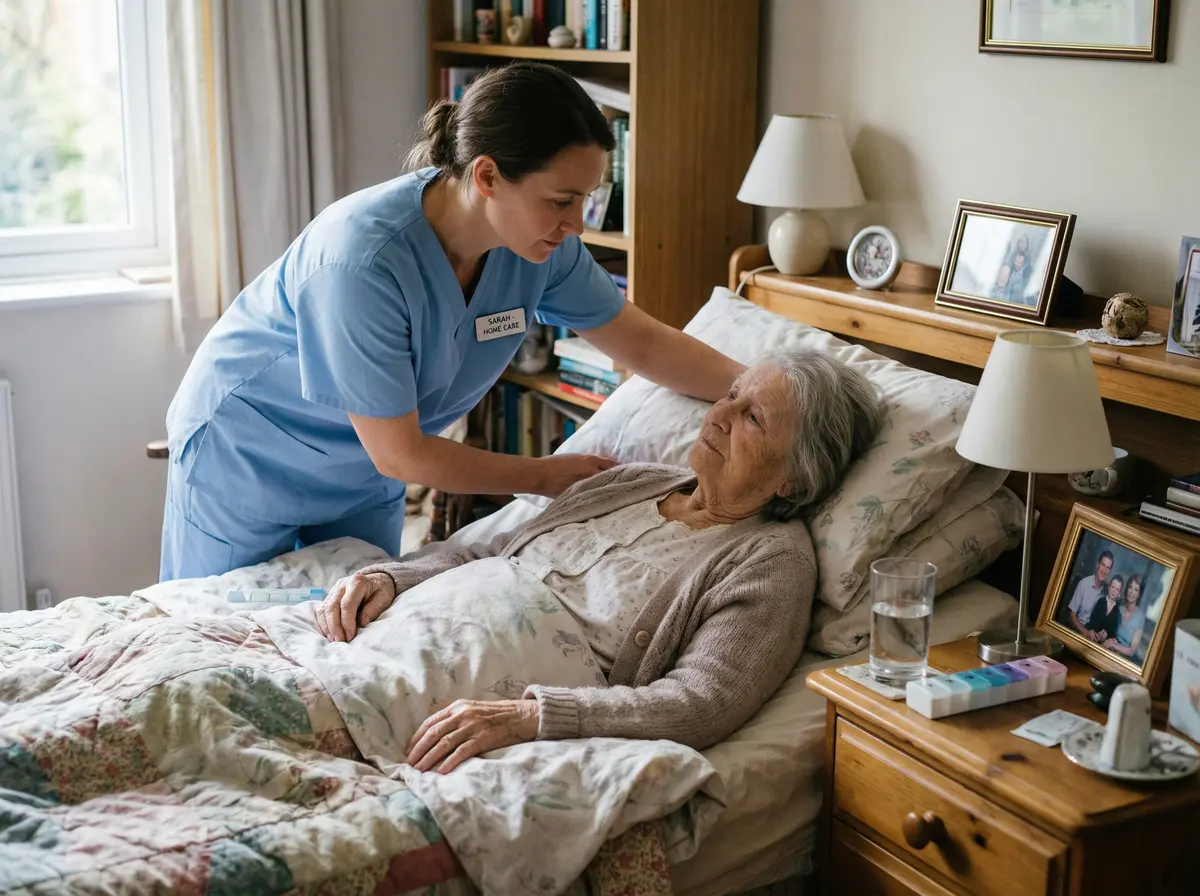
The second advantage is that the home nurse intervenes in many areas of daily life such as help with intimacy, dressing, shopping and meals, medication monitoring, travel, cognitive and physical stimulation (activities), comfort and well-being in general.
They are a presence, security, listening, advice, and this has a positive impact on patients’ quality of life, as well as their general health condition.
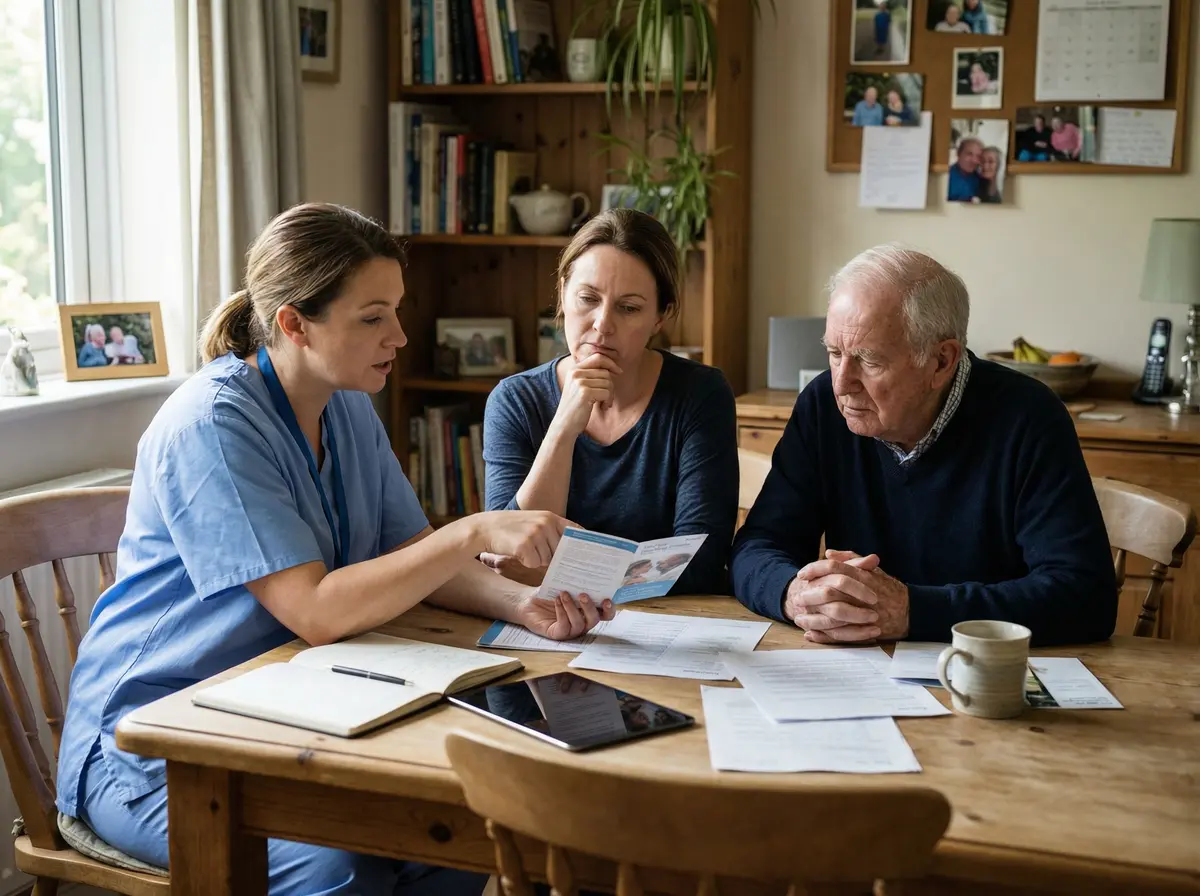
Another advantage is that the home nurse is also support for the patient’s family and loved ones. Family members can rely on these nursing aides, delegate certain tasks that usually fall to them, and therefore focus on other aspects of daily life. The home nurse provides reports, information, and useful advice to the family and reassures them about the right actions and reflexes to adopt. The patient’s well-being is at the center of their activity but also, consequently, that of the family.
What Is the Role of the Nursing Aide (Home Nurse)?
At Alter Ego à Domicile, all our home nurses have nursing aide training as well as a minimum of 5 years of field experience before being able to join our team. Without this level of experience and skills, we cannot place them on duty.
These trainings are conducted in accredited nursing aide schools and last a minimum of 18 months.
During this training, candidates learn basic healthcare skills, such as patient bathing and hygiene, transfer and handling techniques, blood pressure and temperature measurement, first aid, dressing changes… but also communication and helping relationship skills, which are essential for working with patients and their families.
However, it is important to note that a home nurse is not allowed to perform certain medical tasks even if they have the competence.
These tasks include medication preparation, complete bathing, injections, or dressing changes. These acts are reserved, for insurance reasons, for qualified health professionals such as nurses or doctors. The home nurse can, however, ensure that medications are taken according to medical recommendations.
In addition to initial training and field practice, home nurses are required to follow continuing education throughout their career. These trainings allow them to stay updated on the latest healthcare practices and improve their professional skills.
Our offices are located in Brussels but we operate in the Brussels region and Walloon Brabant for 24/7 services.
Are Home Nurse Services Reimbursed by Health Insurance in Belgium?
In Belgium, some health insurance companies like Partenamut offer a home care service for sick children at a rate of 3 euros/hour. However, this service is not reimbursed by mandatory insurance. It should be noted that this service is specifically intended for children and not for seniors. In France, on the other hand, Social Security and supplementary health insurance can offer partial reimbursement for home nurse services, according to contract terms.
Conclusion
The job of home nurse consists of helping sick people or those losing autonomy maintain their quality of life and ensure their comfort. This professional intervenes with patients to provide assistance with daily tasks such as bathing, meals, travel, and taking medications. They also provide moral support by offering a presence and support adapted to each beneficiary’s needs.
To perform this function, professional training is necessary to acquire the skills needed for patient care. Home nurses must be able to provide care professionally and safely while respecting the conditions and needs of each patient.
In Belgium, the home nurse profession is governed by strict rules that guarantee the quality of services. Thus, home nurses work closely with coordinators to guarantee maximum security and efficiency in patient intervention.
The cost of services depends on the type of service and the situation of each beneficiary. Home nurses can also offer on-demand services for patients’ loved ones by proposing appointments for practical preparation for care.
In performing their job, home nurses demonstrate essential qualities such as patience, availability, empathy, organizational skills, as well as the ability to work autonomously. They are also required to respect rules of ethics, safety guidelines, and patient protection.
The home nurse profession is a professional and essential job for maintaining the quality of life of sick or autonomy-losing people. It helps provide assistance adapted to each beneficiary’s needs while respecting their conditions and surroundings.
They aim to provide valuable physical and moral help to patients, a presence, supervision, security while allowing them to stay and evolve in their usual environment and avoid too abrupt a change that would impact their well-being.
Alter Ego à Domicile is a home support company, located in Brussels but also operating in Walloon Brabant and Flemish Brabant.
If you have additional questions about home care, don’t hesitate to consult our FAQ page on home nursing.