
Fall Prevention for Seniors
Understanding Fall Risks in Seniors
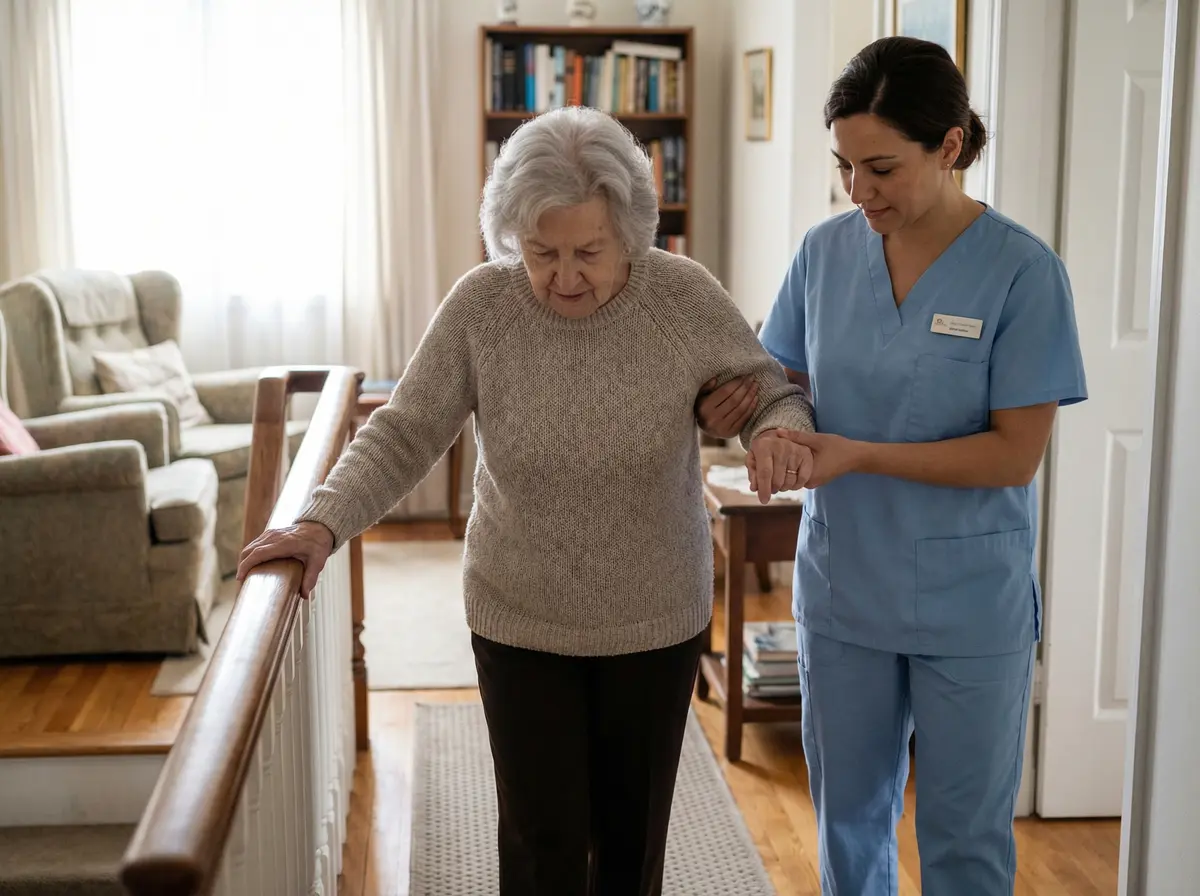
Falls represent one of the main causes of accidents among elderly people. They can lead to serious injuries, loss of autonomy, and even fatal complications. Let’s remember that 81% of falls among seniors occur in their homes, and these falls are responsible for 100,000 fractures per year, including hip fractures. A large portion of these falls among elderly people could be avoided, and the installation of a secure shower or walk-in bathtub is part of this fall prevention approach.
Falls are not only dangerous in terms of physical injuries; they can also have a significant psychological impact. Fear of falling can lead to reduced physical activity, which can in turn increase the risk of new falls. It is therefore essential to address this aspect when planning preventive measures.
Fall prevention in seniors is a major concern that requires a comprehensive approach, including physical, medical, and psychological measures. By being proactive and taking appropriate measures, it is possible to significantly reduce risks and improve the quality of life for elderly people.
Education and awareness play a crucial role in fall prevention for seniors. It is important that elderly people, as well as their families and caregivers, are well informed about risks and preventive measures. Workshops and seminars can be organized to educate seniors on how to minimize fall risks in their daily environment. Additionally, mobile applications and monitoring devices can be used to track movements and alert in case of a fall.
If one of your loved ones is subject to loss of balance, don’t hesitate to see what we can do for you.
Preventive Measures to Avoid Falls
Prevention is the key to reducing fall risks. Here are some preventive measures:
- Home modifications: Eliminate obstacles and install grab bars.
- Physical exercises: Muscle strengthening and balance exercises can help.
- Medical consultation: Talk to your doctor about medications you’re taking and their potential impact on your balance.
Assessing Your Propensity to Fall
It is crucial to consider several factors that could increase your risk of falling. Ask yourself questions like: “In terms of balance, do I have difficulties?” or “Am I taking medications that could affect my stability?”
For an accurate diagnosis, don’t hesitate to consult a healthcare professional.
What to Do in Case of a Fall: First Aid and Follow-up
If a fall occurs, it is important to know how to react. First aid may include calling emergency services and treating minor injuries. Medical follow-up is also crucial to prevent future falls.
Statistics and Case Studies on Falls in Seniors
According to the World Health Organization, falls are the second leading cause of accidental death worldwide. Each year, approximately 684,000 people die from falls, of which more than 80% are in low- or middle-income countries. Adults over 60 are most affected by fatal falls. Approximately 37.3 million falls require medical attention each year.